

Education & Child Support
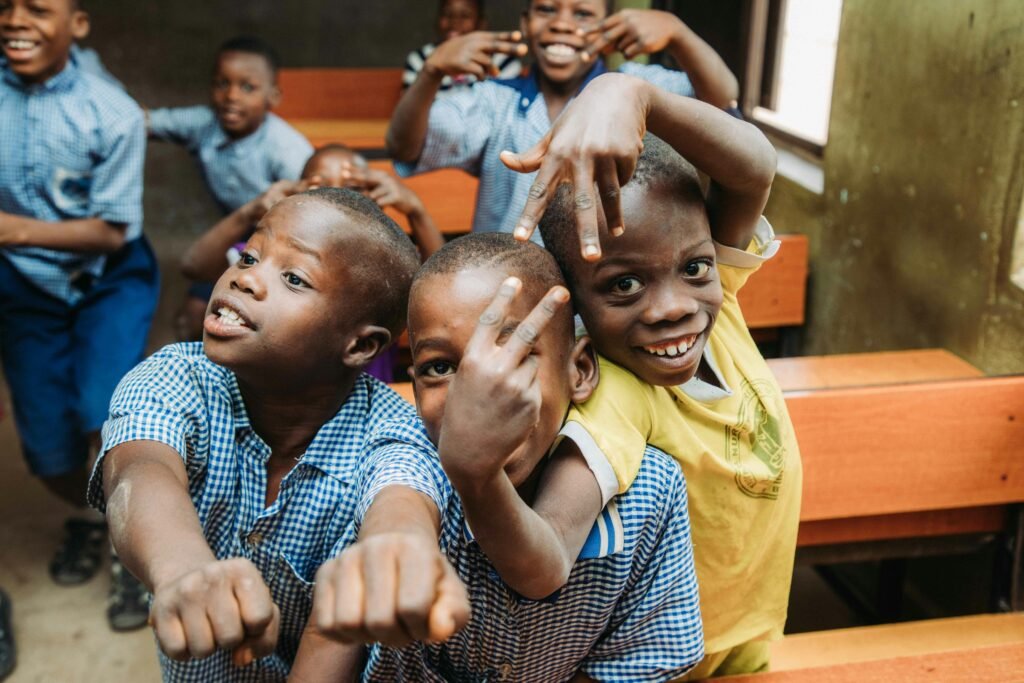
Education is the most powerful engine for individual and community transformation, and it is at the very heart of BORUT’s mission. This thematic area addresses the stark reality outlined in Uganda’s NDPIV, where millions of children are out of school and many more are not learning effectively. We recognize that education is not merely about academic instruction; it is about providing the holistic support a child needs to learn, grow, and thrive. This means tackling the interconnected barriers of poverty, hunger, and vulnerability that keep children from reaching their full potential. Our programs are designed to be comprehensive, addressing the child’s journey from early childhood through to practical skills for adulthood.
Our interventions are strategically layered to provide continuous support. We ensure Access to Formal Education by providing vulnerable children with scholastic materials, uniforms, and mentorship, directly combating the economic pressures that lead to school dropouts. Understanding that the foundation for lifelong learning is built early, we partner with infant schools to strengthen Early Childhood Development (ECD), focusing on literacy, nutrition, and emotional well-being. For adolescents and youth who have fallen out of the formal system, we offer a critical second chance through Vocational and Skills Training at institutions like Mende Community Vocational Institute, equipping them with practical skills for employment and entrepreneurship. We also invest in the ecosystem around the child by providing Teacher and Caregiver Capacity Building, enhancing their ability to create safe and nurturing learning environments. Crucially, our Nutrition and School Feeding Programs ensure that children are not trying to learn on an empty stomach, improving concentration, attendance, and overall health.
The impact of this work on community development is transformative. An educated populace is the bedrock of a prosperous society. By keeping children in school and learning, we are directly boosting Uganda’s Human Capital Index, creating a future generation that is more productive, innovative, and capable of driving economic growth. Vocational training reduces youth idleness and unemployment, which are key drivers of insecurity and social unrest, thereby contributing to a more stable community. School feeding programs not only improve child nutrition but also support local agriculture and provide economic relief to struggling families, creating a positive ripple effect through the local economy. This holistic approach is a direct investment in SDG 4 (Quality Education) and SDG 2 (Zero Hunger), and it is a practical, on-the-ground implementation of the human capital goals central to Uganda’s NDPIV. We are not just building students; we are building future citizens, leaders, and a self-sustaining community.