

In the heart of Uganda, where the promise of a generation is threatened by the interlocking crises of poverty, hunger, and exploitation, a transformative initiative is taking root. By weaving together education and nutrition, the Boston Rural Transformation Uganda (BORUT) is not only saving children but also strategically investing in the nation’s most valuable asset: its human capital.
The Foundation: Education Nourished by a Meal
The scale of the challenge is stark. Uganda’s own Fourth National Development Plan (NDPIV) estimates that 2.5 million school-age children are out of school, while less than half of all learners achieve expected proficiency levels. Behind these numbers lies a harsh reality for the child who must choose between a day of learning on an empty stomach and a search for food or work.
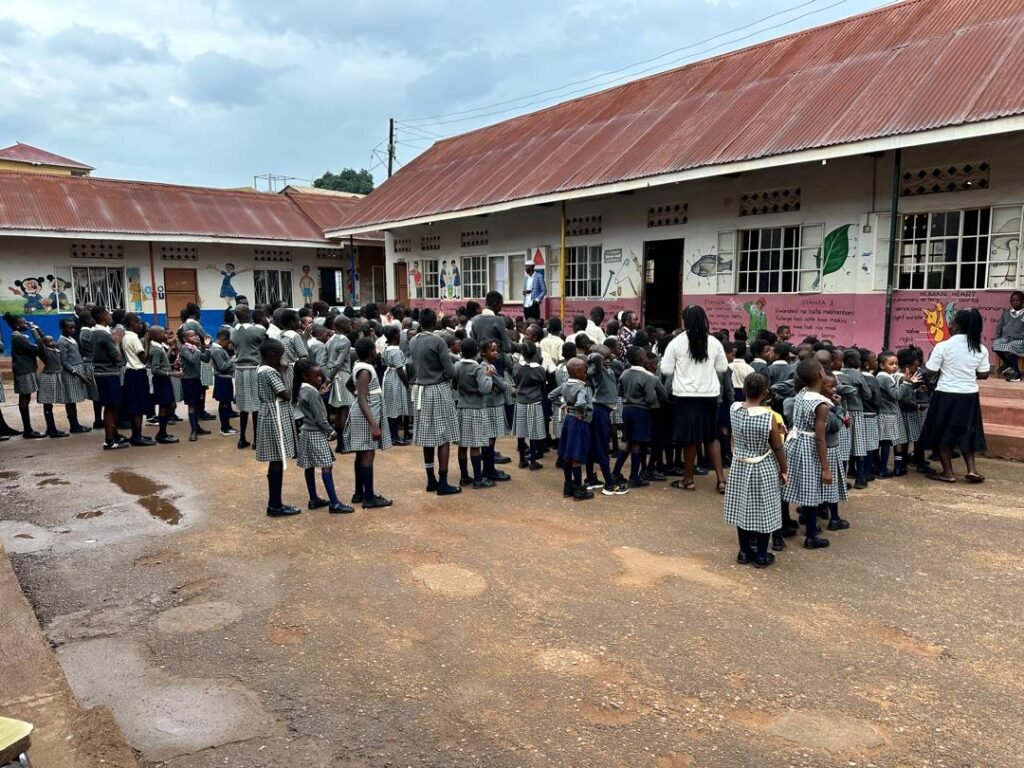
This is where BORUT’s integrated approach creates change. The provision of school feeding programs for the children acts as a powerful magnet, drawing and keeping the most vulnerable children in the classroom. This simple intervention addresses a fundamental barrier to learning, allowing a child to focus on their studies rather than their hunger. Furthermore, by supporting families with the burden of feeding their children, these programs reduce the economic pressures that can force children into hazardous labor, a known risk factor for exploitation.
Sarah’s Story: A Plate of Food, A Path to a Future
Sarah, a 12-year-old girl from a small suburb in Makindye, Kampala, was on the verge of becoming another dropout statistic. After her father passed away, her mother struggled to provide for the family. Sarah would often come to school hungry, her concentration fading by mid-morning. She started missing classes to help her mother in the market, where she was exposed to older individuals who suggested she could earn more money working in the midst of the city.
Before Sarah’s situation could escalate, BORUT’s program at her school became her turning point. The introduction of a daily school meal ensured she had one nutritious meal she could count on. Her mother, relieved of one meal’s cost, was able to keep Sarah in school. The mentorship program rebuilt her confidence. Today, Sarah is not only back in class and learning effectively, but she also dreams of becoming a nurse. Her story is a testament to how a holistic intervention can protect a child from the domino effect of poverty, dropout, and vulnerability to trafficking and exploitation.
Building a Resilient Nation: From Classrooms to Countryside
The impact of this initiative extends far beyond individual success stories, contributing directly to Uganda’s strategic goals.
- Fueling Human Capital: Uganda’s Human Capital Index is low (0.38), meaning children born today are likely to reach only 38% of their potential. BORUT’s work directly counters this by ensuring children are nourished and educated, which are fundamental to improving this index and building a skilled, productive future workforce.
- Aligning with National and Global Goals: This model directly supports Uganda’s NDPIV by tackling the systemic barriers to child well-being and education that the plan itself identifies. It also feeds into multiple UN Sustainable Development Goals (SDGs), including Zero Hunger (SDG 2), Quality Education (SDG 4), and Reduced Inequalities (SDG 10) .
- Preventing Deeper Crises: Keeping children in school is a powerful form of prevention. Research consistently shows that poverty and marginalization are key factors that make young people more vulnerable to substance abuse and mental health issues. Furthermore, children out of school are at higher risk of the worst forms of child labor and human trafficking, which are grim realities in global supply chains, including agriculture. By providing education, nutrition, and safety, BORUT fortifies children against these threats, contributing to a more stable and secure society.
A Multiplier Effect for Uganda’s Development
The following table summarizes the core challenges in Uganda and how integrated education-nutrition programs create a multiplier effect for national development:
| Challenge in Uganda | BORUT’s Integrated Intervention | Contribution to National Development |
| 2.5 million children out of school | School feeding as incentive; scholastic material support | Increases school enrollment and retention |
| Low Human Capital Index (0.38) | Improves nutritional status and cognitive development for learning | Builds a skilled, productive future workforce |
| Poverty & vulnerability to exploitation | Reduces economic pressure on families; provides safe environment | Reduces risk of child labor and human trafficking |
| Vulnerability to substance abuse | Offers mentorship, safe spaces, and positive life skills | Promotes resilience and reduces anti-social behavior |
The work of BORUT demonstrates that the path to a secure, prosperous, and equitable Uganda begins in its classrooms and school kitchens. When a child is fed, educated, and protected, the benefits are not contained. They ripple outward, creating a wave of positive change that lifts families, stabilizes communities, and builds the foundation of a nation resilient to the threats of poverty, crime, and exploitation. Supporting such initiatives is not merely an act of charity; it is a strategic investment in a peaceful and thriving future.